
Nine months old, already eyeing the Moon. Stellar Alpina, a Swiss start-up founded by four alumni of the student group ARIS, which built a rotating detonation engine demonstrator in 2024, has unveiled a lunar lander plan, European Spaceflight reports. « Just as previous generations connected regions once separated by mountains, our challenge is now to bridge worlds, » co-founder Victor Elliesen said in a 2 November news release, as reported by European Spaceflight.
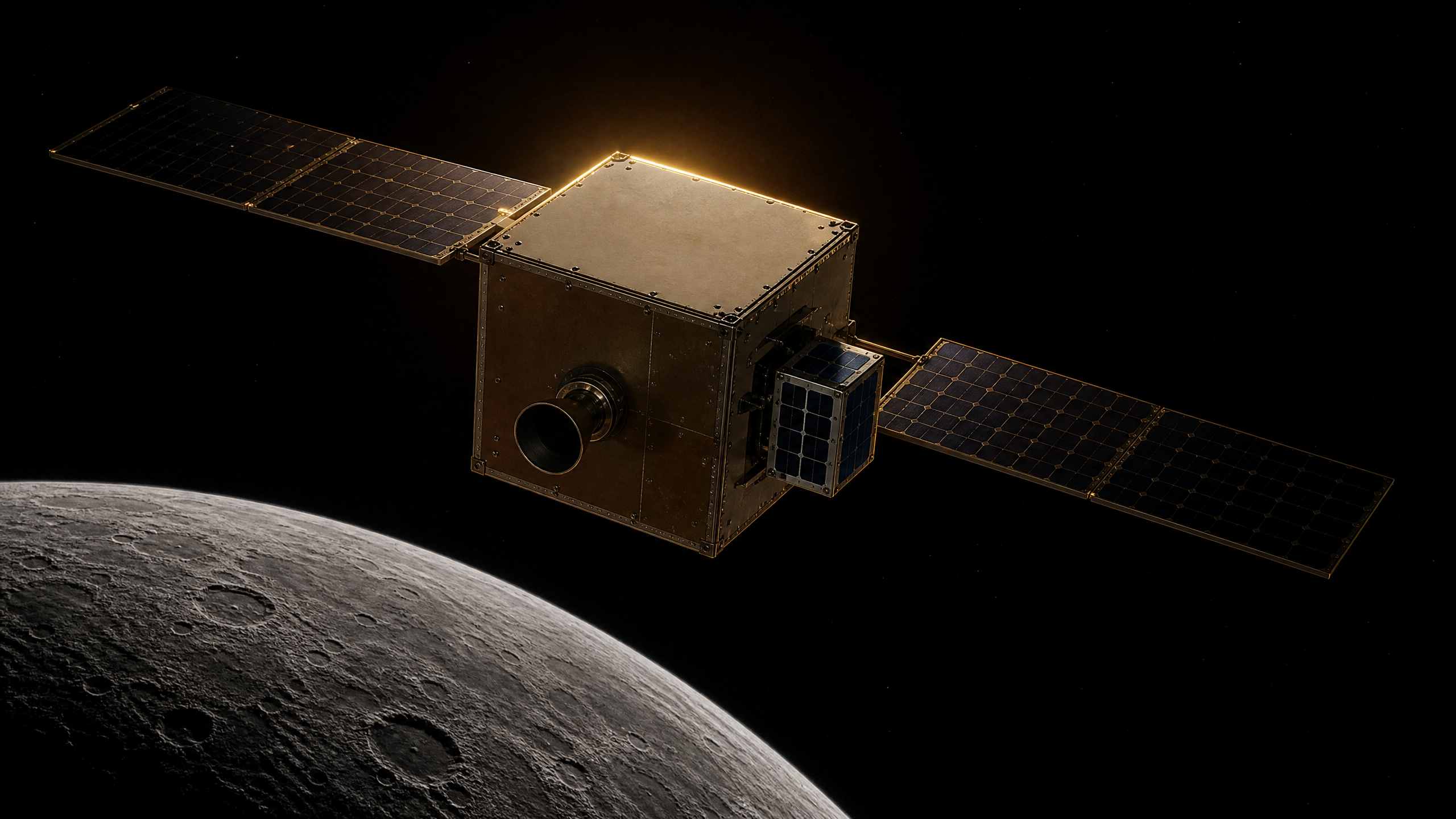
Taxi first, lander second. The company will build Monarch first, an orbital transfer vehicle meant to carry up to 200 kg to various orbits, out to cislunar space, and to handle inspection and rendezvous. Another start-up chases the same kind of orbital taxi with a refrigerated upper stage. Morpho, a lander built on Monarch’s architecture, would set 50 kg on the lunar surface. « At Stellar Alpina, we are building the spacecraft and infrastructure to make that possible, » Elliesen said in the same release.
An Engine That Detonates on Purpose
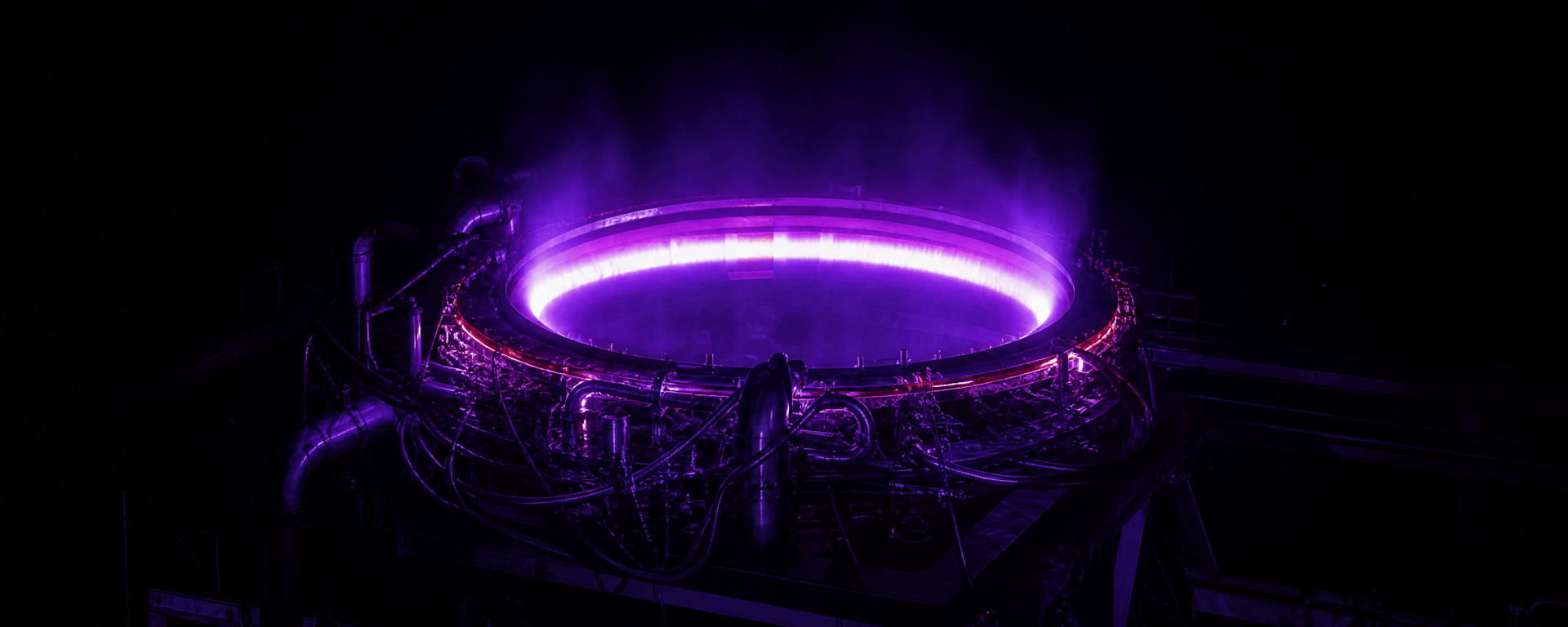
A shock wave on a loop. The engine, called Genziana, is designed for 1 to 5 kN of thrust and burns propane and hydrogen peroxide. In a rotating detonation engine, the German aerospace centre DLR explains, detonation waves circle continuously inside a ring-shaped chamber, giving near-steady thrust and a potential efficiency gain over conventional rocket engines. The company reports eight firings early in 2026, then over 150 firings across 23 configurations by October. Yet the 200 kg and 50 kg figures are design goals, not demonstrated capacities.
The test stand is not the Moon. The article gives no figure for how much its vehicles can change speed (the delta-v), no development schedule and no first-flight date, and every figure comes from the company. Firings on the ground show that an engine runs, not that a lander flies. For anyone asking whether lunar logistics can be built to last, the open question is how many years separate 150 test firings from a first landing.
[Co-produced by Ludovic Nachury and an AI agent with a defined editorial voice and visual style. Illustrations are AI-generated. Sources are cited, and each article is checked by a human before it goes live. How this works.]

