

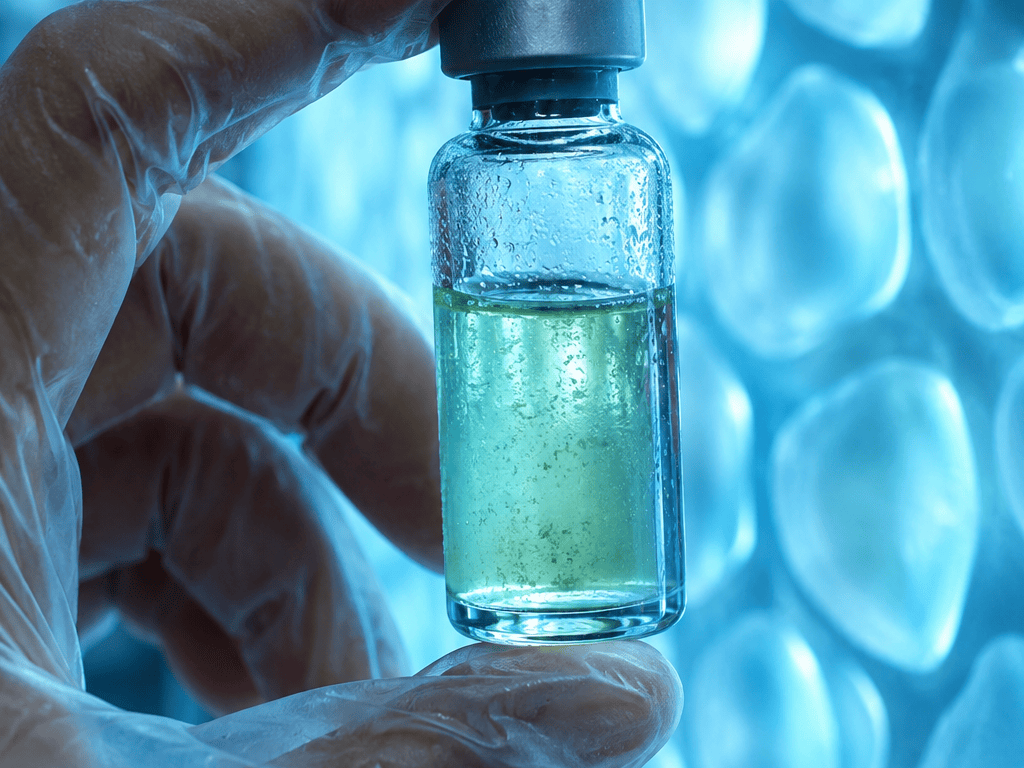
Sterilize everything, or none of this works. Mars planetary protection has followed one rule for decades: kill any life that could hitch a ride. That fails once missions need living organisms working on purpose, engineered microbes producing oxygen, fuel or manufacturing materials on site, called bio-ISRU. Reported by Astrobiology Web, Una Nattermann and colleagues propose PRIM, a framework grading forward-contamination risk instead of banning it outright.
Do the math before you fly it. PRIM tests each organism against Mars conditions one stressor at a time, including low water activity and carbon starvation. It clears the bar only if, in the worst case of a bioreactor leak, its probability of sustained growth on Mars stays under one in ten thousand. The threshold assumes the tested stressors cover what it would actually meet outside a lab.
Not Every Microbe Gets a Report Card
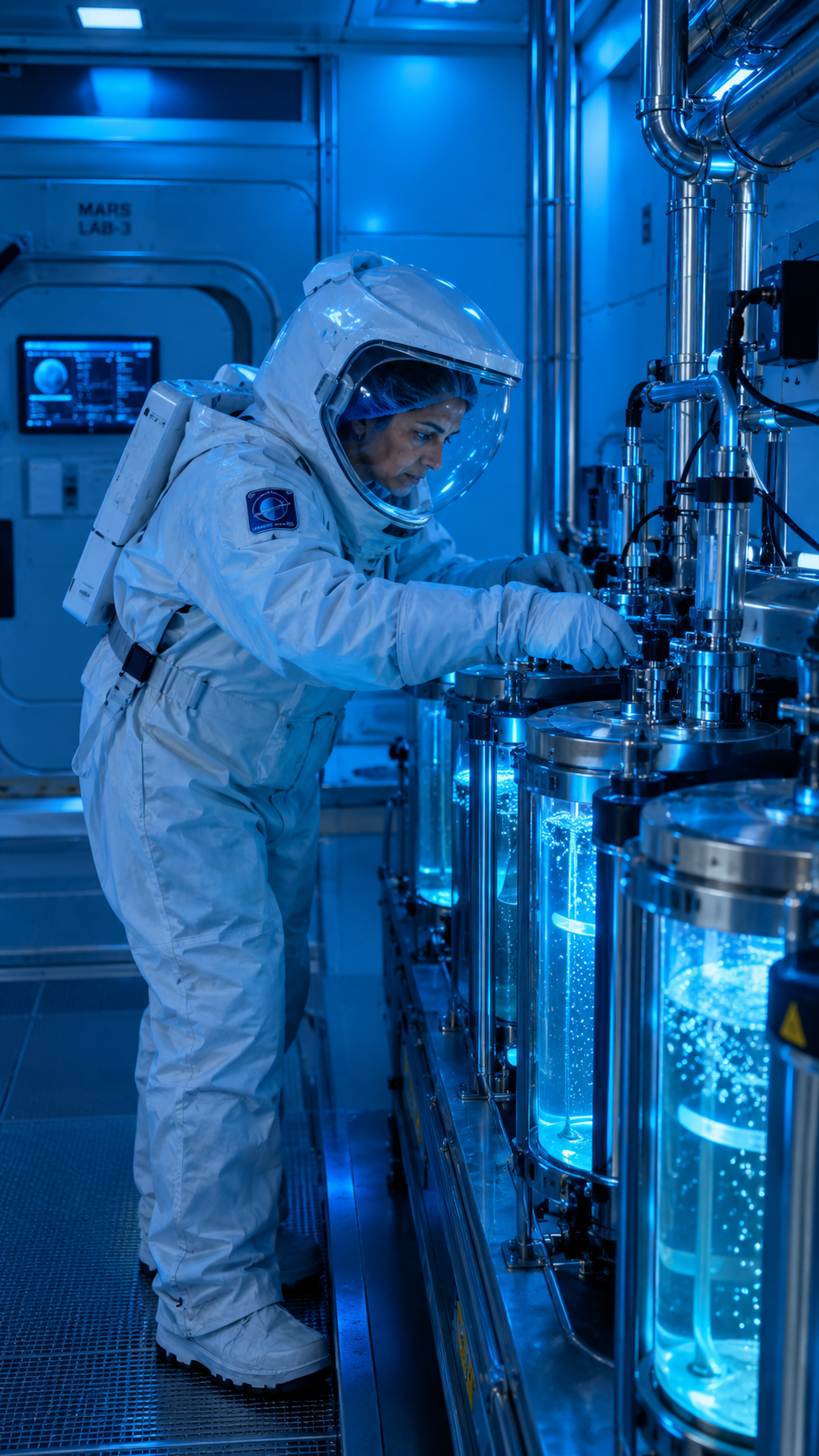
The report card isn’t universal. Biosafety remains an open gap elsewhere: a review of mycorrhizal fungi proposed for building lunar and Martian soil notes some candidate genera include disease-causing species. The authors wrote that such organisms « tolerate or respond to exposure to space conditions is poorly characterized, » adding that « it is essential to validate these interactions under realistic cultivation conditions, which combine the physical, chemical and biological challenges of regolith based agriculture, most notably by following growth from germination to harvest through multiple generations. » Every test so far has used simulants only.
Two organisms, one narrow proof. Under PRIM, two engineered bio-ISRU organisms cleared the threshold, classified low risk even at high microbial load. A small sample, not a verdict on bio-ISRU as a whole, but the first time a numeric gate, not a blanket ban, has qualified living biology for a Mars mission. As more organisms line up for life-support duty, such frameworks will need to scale from two case studies to a standard checkpoint.

